Beyond Subjects: How Transdisciplinary Learning Shapes Young Minds in the IB PYP
Have you ever wondered how your child connects the dots between math, science, and art? In the IB primary years programme, education goes far beyond traditional textbooks and isolated lessons. This approach helps students see the world as a giant, interconnected puzzle where every piece of knowledge matters.
By using transdisciplinary learning in IB pyp, teachers encourage children to explore big ideas through meaningful questions. Instead of studying subjects in separate silos, students investigate real-world themes that bridge gaps between language, social studies, and physical education. This method fosters a deeper understanding of how different concepts relate to their daily lives.
When children engage with these themes, they become active participants in their own growth. They learn to think critically, solve complex problems, and apply their skills in creative ways. This foundation prepares them to navigate a changing world with confidence and curiosity.
Key Takeaways
- Education connects multiple subjects to create a unified experience.
- Students explore real-world themes rather than isolated facts.
- Inquiry-based methods encourage children to ask meaningful questions.
- This approach builds critical thinking and problem-solving skills.
- Learning extends beyond the classroom to impact daily life.
What TRANSDISCPLINARY LEARNING IN IB PYP Means for Children
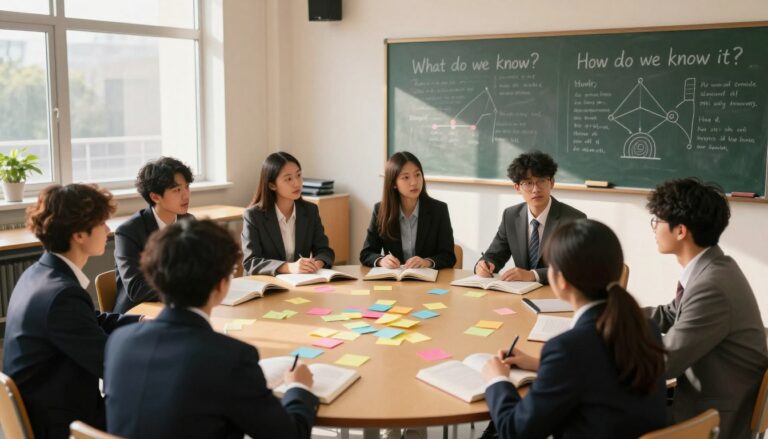
Imagine a classroom where the walls between subjects disappear to reveal a bigger picture. In the International Baccalaureate (IB) Primary Years Programme (PYP), transdisciplinary learning serves as the foundation for how children explore the world. Instead of viewing math, science, and language as separate boxes, students see them as tools that work together to solve problems.
Learning Through Connections Instead of Isolated Subjects
Traditional schooling often separates knowledge into distinct categories. However, the PYP encourages learning beyond subjects by focusing on how these disciplines overlap in real life. When a child investigates a topic like water, they do not just read about it in a textbook.
They might use mathematics to measure rainfall, write reports to share their findings, and conduct experiments to see how plants grow. This method ensures that students understand the interconnected nature of knowledge. By breaking down these barriers, children gain a more complete view of the world around them.
Building Understanding Around Concepts, Questions, and Experiences
At the heart of this approach are big, open-ended questions that drive curiosity. Teachers guide students to explore these questions through hands-on experiences rather than simple memorization. This process helps children connect classroom lessons to their own lives.
The following table highlights the key differences between traditional and transdisciplinary methods:
| Feature | Traditional Approach | Transdisciplinary Approach |
|---|---|---|
| Primary Focus | Subject mastery | Conceptual understanding |
| Learning Style | Isolated lessons | Integrated inquiry |
| Student Role | Passive listener | Active researcher |
| Goal | Testing accuracy | Real-world application |
Why the Approach Feels More Meaningful to Young Learners
When students engage in transdisciplinary learning, they see the immediate value of their work. They are not just learning to add numbers; they are using math to build a model or manage a budget for a class project. This makes schoolwork feel purposeful and exciting.
By learning beyond subjects, children develop the ability to apply their skills in new and different situations. They become more confident because they understand that their knowledge is a powerful tool for change. Ultimately, this approach turns every school day into a meaningful adventure of discovery.
Why the IB PYP Moves Beyond Traditional Subject-Based Learning
The pyp curriculum reimagines how children learn by breaking down the walls between traditional academic subjects. While standard education often separates knowledge into neat, isolated boxes, the world rarely functions in such a fragmented way. By moving beyond these limitations, schools can foster a deeper and more lasting love for learning in young students.
The Limits of Learning One Subject at a Time
When students learn subjects in isolation, they often struggle to see how information applies to their daily lives. A child might master a math formula in the morning but fail to recognize its utility when building a model or analyzing a science experiment later that day. This siloed approach can make education feel like a series of disconnected tasks rather than a cohesive journey of discovery.
“Education is not the learning of facts, but the training of the mind to think.”
How the PYP Curriculum Supports Holistic Learning
The pyp curriculum promotes a holistic view where concepts serve as the bridge between different disciplines. Instead of viewing subjects as separate entities, students explore big ideas that require them to pull knowledge from various fields simultaneously. This method ensures that learning is not just about memorizing facts, but about understanding how different pieces of the puzzle fit together.
Balancing Subject Knowledge With Transferable Understanding
Holistic learning does not mean that academic subjects disappear; rather, it gives children the opportunity to use their knowledge in meaningful ways. Students gain transferable understanding, which allows them to take what they learn in one context and apply it to new, unfamiliar situations. This balance ensures that students remain academically rigorous while becoming more adaptable thinkers.
Keeping Mathematics, Literacy, Science, and Other Skills Visible
Essential skills like literacy, mathematics, and science remain highly visible throughout the inquiry process. Teachers ensure that these core competencies are practiced and refined as students investigate complex questions. The following table highlights how the two approaches differ in their delivery of these essential skills.
| Feature | Traditional Approach | PYP Curriculum |
|---|---|---|
| Subject Focus | Isolated and distinct | Integrated and connected |
| Skill Application | Limited to specific lessons | Applied across real-world contexts |
| Student Role | Passive recipient of facts | Active investigator of concepts |
| Goal | Mastery of individual subjects | Transferable, holistic understanding |
How the Six PYP Transdisciplinary Themes Organize Learning
At the heart of the international baccalaureate pyp, six transdisciplinary themes act as a framework for deep inquiry. These themes provide a structure that allows teachers to connect multiple subject areas into a single, cohesive unit. Instead of learning in silos, students explore broad ideas that span across traditional boundaries.
Who We Are and Where We Are in Place and Time
The theme Who We Are invites students to investigate the nature of the self, beliefs, and personal health. Simultaneously, Where We Are in Place and Time encourages children to look at their own history and geography. These themes help learners understand their place in the world and their relationships with others.
How We Express Ourselves and How the World Works
Through How We Express Ourselves, students discover the many ways they can share their ideas, feelings, and creativity. Meanwhile, How the World Works focuses on the natural world and the laws of science. These areas allow children to experiment with technology and understand the physical environment around them.
How We Organize Ourselves and Share the Planet
The theme How We Organize Ourselves explores how human-made systems function, such as communities and governments. Sharing the Planet challenges students to consider their rights and responsibilities regarding the environment. These topics foster a sense of global citizenship and collective action.
Using Big Themes to Explore Questions That Matter in Children’s Lives
This concept-based learning approach ensures that students do not just memorize facts. Instead, they engage with questions that have personal meaning and real-world relevance. By focusing on these big ideas, the curriculum remains flexible and deeply engaging for young minds.
| Theme | Primary Focus | Key Inquiry Area |
|---|---|---|
| Who We Are | Identity | Personal Beliefs |
| Where We Are in Place and Time | History | Human Migration |
| How the World Works | Science | Natural Phenomena |
| Sharing the Planet | Environment | Global Sustainability |
Connecting Mathematics, Science, Language, and Social Studies
Inquiry-based learning serves as the bridge that connects mathematics, science, language, and social studies into a unified experience. Instead of studying these areas in isolation, students use them as lenses to examine real-world problems. This approach is a hallmark of pyp education, where the goal is to build a cohesive understanding of how the world functions.
Using Mathematics to Measure, Compare, Predict, and Make Decisions
Mathematics provides the essential tools for students to quantify their findings during an investigation. Children often measure physical objects, compare data sets, and use their findings to make informed predictions. By applying these skills, they learn that numbers are not just abstract concepts but practical tools for decision-making.
Exploring Scientific Ideas Through Observation and Investigation
Science in the classroom encourages students to look closely at the world around them. Through careful observation and hands-on experimentation, children gather the evidence needed to support their theories. This process fosters a deep sense of curiosity and helps students develop evidence-based thinking as they test their ideas.
Developing Language Through Reading, Writing, Speaking, and Listening
Language acts as the primary vehicle for sharing discoveries and collaborating with peers. Students read diverse sources to gain background knowledge, write reports to document their progress, and speak during group discussions to refine their understanding. This comprehensive approach ensures that literacy skills grow alongside their academic inquiries.
Understanding Communities, Cultures, History, and Responsibility
Social studies helps students connect their learning to the broader human experience. By exploring different cultures and historical contexts, children learn to appreciate diverse perspectives. This fosters a sense of personal and global responsibility, encouraging them to participate actively and ethically in their own communities.
| Subject | Role in Inquiry | Key Skill Developed |
|---|---|---|
| Mathematics | Quantifying evidence | Logical reasoning |
| Science | Testing hypotheses | Analytical observation |
| Language | Communicating findings | Effective expression |
| Social Studies | Contextualizing impact | Empathy and ethics |
Bringing Arts and Physical Education Into Transdisciplinary Learning
When we look at the transdisciplinary approach to learning, we see that creativity and physical health are essential pillars of student development. Rather than treating these subjects as isolated “specials,” the IB PYP weaves them into the fabric of daily inquiry. This ensures that every child has multiple avenues to explore and demonstrate their growing knowledge.
Expressing Understanding Through Visual Arts, Music, Drama, and Design
Students often find that words alone cannot capture the depth of their discoveries. By using visual arts, music, drama, and design, they can communicate complex ideas in ways that feel personal and authentic. For example, a student might design a model to explain how a local ecosystem functions or use drama to role-play historical events.
“Creativity is intelligence having fun.” — Albert Einstein
These creative outlets allow children to synthesize information from various subjects into a single, cohesive project. This process encourages them to think critically about how different forms of expression can convey meaning to an audience.
Connecting Movement, Health, and Well-Being to Classroom Questions
Physical Education (PE) serves as a dynamic laboratory for testing concepts related to the human body and personal responsibility. When students investigate how their bodies work, they are not just learning biology; they are experiencing it through movement and exercise. This transdisciplinary approach to learning helps them connect physical health to their broader inquiries about well-being and community.
- Teamwork exercises that mirror social studies lessons on cooperation.
- Analyzing heart rate data to understand scientific concepts of energy.
- Reflecting on how healthy choices impact their ability to learn and grow.
Showing That Creativity and Physical Development Are Part of Academic Learning
We must recognize that academic rigor is not limited to reading and writing. When a child masters a new skill in the art studio or on the sports field, they are building essential cognitive and social-emotional capacities. These experiences are fundamental to the transdisciplinary approach to learning because they foster resilience, discipline, and flexible problem-solving.
By integrating these disciplines, schools provide a balanced environment where every student can thrive. Creativity and physical development are not just “extras”—they are core components that help children become well-rounded, thoughtful individuals.
How Inquiry-Based Learning Drives the PYP Experience
At the core of the IB PYP lies a dynamic process driven by student curiosity. This approach moves away from passive listening and embraces student-centred learning, where children take an active role in their own education. By focusing on what sparks a child’s interest, educators create a classroom environment that feels both relevant and exciting.
Starting With Student Questions and Real Curiosity
Every unit of study begins by tapping into the natural wonder of young learners. Instead of simply memorizing facts, students are encouraged to ask “why” and “how” questions about the world around them. This initial spark of curiosity ensures that the learning process is deeply personal and engaging from the very first day.
Researching, Testing, Discussing, and Revising Ideas
Once a question is identified, the real work of inquiry-based learning in ib pyp begins. Students gather evidence, conduct experiments, and analyze data to find potential answers. They frequently discuss their findings with peers, which helps them refine their thinking and consider different perspectives.
This cycle of investigation is rarely linear. Children often find that their initial ideas need to be revised as they uncover new information. This iterative process teaches students that changing one’s mind based on evidence is a sign of intellectual growth rather than failure.
The Teacher’s Role as Guide, Questioner, and Learning Partner
In this model, the teacher shifts from being the sole source of knowledge to acting as a facilitator. They guide discussions, model effective research techniques, and provide the necessary resources for students to succeed. By working as a learning partner, the teacher fosters a collaborative atmosphere where everyone is exploring new ideas together.
Creating Supportive Inquiry for Different Ages, Abilities, and Learning Styles
Effective inquiry is highly flexible and can be adapted to meet the needs of every student. Teachers provide scaffolds for younger children while offering more complex challenges for those who are ready to dive deeper. This ensures that every student feels supported regardless of their confidence level or preferred way of learning.
| Feature | Traditional Learning | Inquiry-Based Learning |
|---|---|---|
| Primary Focus | Teacher-led instruction | Student-led discovery |
| Student Role | Passive recipient | Active investigator |
| Outcome | Standardized testing | Conceptual understanding |
| Assessment | Correct answers | Reflective growth |
By embracing student-centred learning, schools ensure that children develop the skills needed to navigate a complex world. This inquiry-based learning in ib pyp framework empowers students to become lifelong learners who are confident in their ability to solve problems and seek out new knowledge.
How Students Apply Knowledge Across Subjects and Real Life
The true power of education lies in how children apply their knowledge to solve real-world problems. When students move beyond textbooks, they begin to see that their classroom lessons are actually tools for navigating the world. This real-world learning in ib pyp ensures that children do not just store facts, but actively use them to make sense of their surroundings.
Transferring Skills From One Learning Context to Another
Students learn to take specific skills—like reading data or evaluating evidence—and apply them in new situations. For example, a child might use math skills learned in a science experiment to track their personal savings at home. This ability to transfer knowledge is one of the primary benefits of transdisciplinary learning.
By practicing these skills in different settings, children become more flexible thinkers. They learn how to plan solutions and explain their ideas clearly to others. This process builds confidence and prepares them for future challenges.
Solving Problems That Require More Than One Subject
Many of the most interesting problems in life do not fit neatly into a single subject box. A student might need to combine history, geography, and language arts to understand a local environmental issue. By working across these disciplines, they gain a much deeper perspective on how the world functions.
This approach encourages students to look at a problem from multiple angles. They might use scientific observation to identify a problem and then use creative writing to advocate for a solution. This real-world learning in ib pyp fosters a sense of agency and purpose in young learners.
Connecting Classroom Learning With Home, Community, and Global Issues
When students connect their studies to their own lives, learning becomes personal and meaningful. They might explore how their family’s recycling habits impact the planet or how local history shapes their community. These connections turn abstract concepts into tangible actions that make a real difference.
Recognizing the Difference Between Memorizing Information and Using Understanding
There is a significant difference between simply memorizing facts and truly understanding a concept. Memorization is often temporary, while deep understanding allows a student to apply knowledge in new and unexpected ways. One of the key benefits of transdisciplinary learning is that it prioritizes this lasting understanding over rote recall.
| Learning Approach | Focus | Outcome |
|---|---|---|
| Traditional | Memorizing facts | Short-term recall |
| Transdisciplinary | Applying concepts | Long-term mastery |
| Real-World | Solving problems | Purposeful action |
By focusing on how to use information, students become better equipped to handle the complexities of the modern world. They learn to question, analyze, and act with intention. This shift in perspective is what makes their education truly transformative.
A Parent-Friendly Example of Transdisciplinary Learning in Action
Imagine a classroom where water is not just a science topic, but a lens for exploring the entire world. By focusing on a single, vital resource, students can see how transdisciplinary learning works in pyp through a familiar, real-world context.
Exploring Water Through a PYP Unit of Inquiry
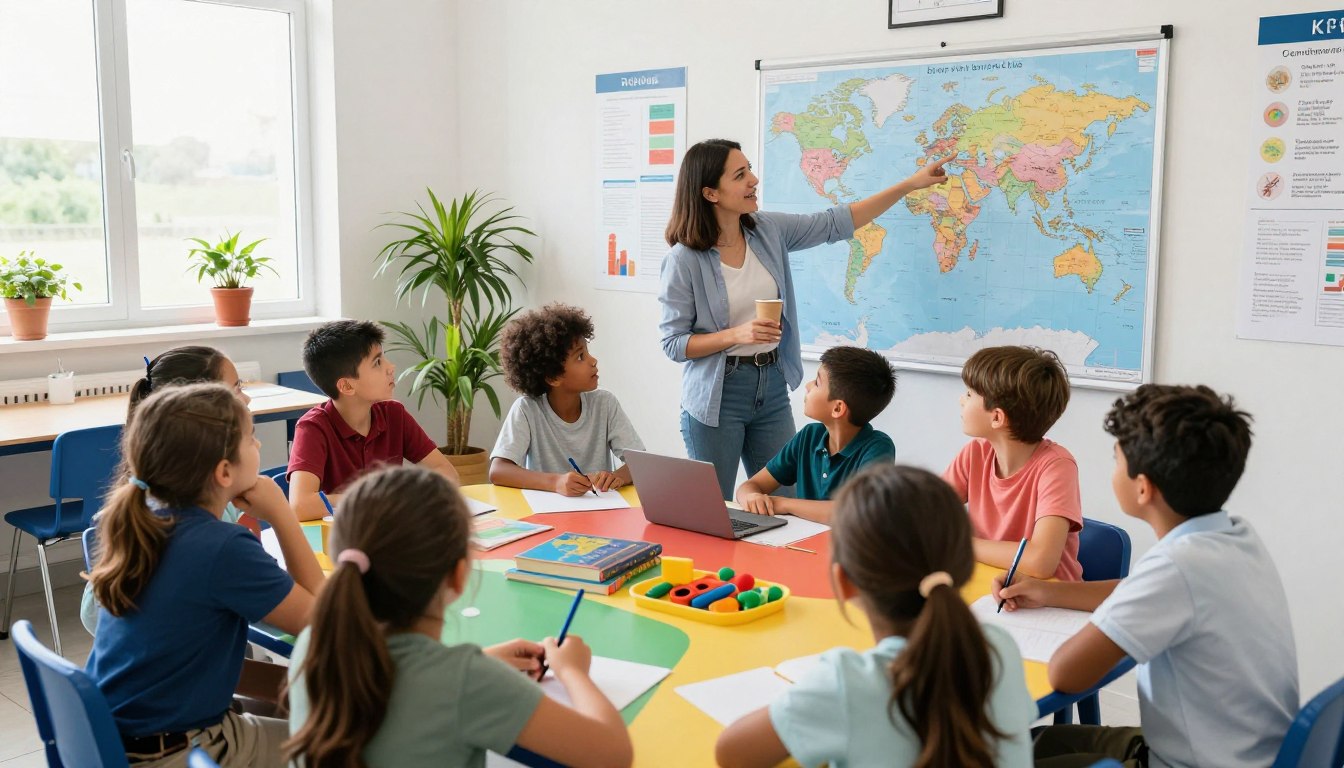
In this unit, students begin by asking big questions about where water comes from and why it matters. Instead of reading a textbook, they might start by observing the school’s water fountains or local streams. This inquiry-based approach encourages children to become researchers who seek answers through active exploration.
Combining Data, Scientific Investigation, Communication, and Design
The learning process naturally weaves together multiple disciplines. Students use mathematics to measure their daily water usage at home, creating charts to compare their findings. They conduct scientific investigations to test water quality or observe how plants grow with different amounts of hydration.
Communication skills flourish as students write reports or present their findings to classmates. They also engage in design thinking by creating prototypes for water-saving devices, such as a simple rain-collection system for the school garden.
Turning Research Into Responsible Choices at Home and School
The ultimate goal of the ib pyp is to move beyond the classroom and inspire real-world action. Students discuss how their research impacts their own habits and the health of their community. They learn that being a global citizen means making responsible choices about how we share and protect our planet’s resources.
What Children Might Ask, Create, Present, and Reflect On
To help you visualize this experience, consider the following breakdown of how students engage with the unit:
| Activity Type | Student Action | Subject Connection |
|---|---|---|
| Inquiry | Asking, “Where does our water go?” | Social Studies |
| Investigation | Measuring household water usage | Mathematics |
| Creation | Building a water filtration model | Science & Design |
| Reflection | Journaling on conservation habits | Language Arts |
Through these diverse activities, children gain a deeper understanding of the world. This is exactly how transdisciplinary learning works in pyp, ensuring that every lesson feels relevant, connected, and meaningful for the ib pyp student.
The Skills Children Develop Through the Transdisciplinary Approach
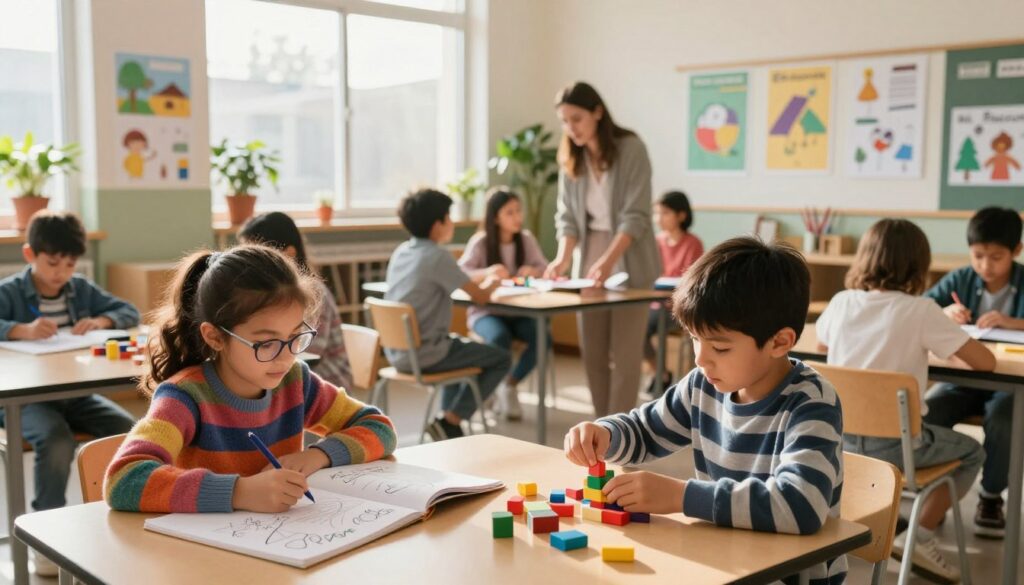
When children engage in connected learning, they naturally develop a diverse toolkit of capabilities that extend far beyond the classroom walls. This holistic learning environment encourages students to look at the world through a wide lens, ensuring they gain more than just subject-specific knowledge. By moving away from isolated exercises, the curriculum fosters a deeper, more integrated way of thinking.
Critical Thinking and Research Skills
Students are constantly challenged to question the information they encounter rather than accepting it at face value. Through holistic learning, they learn to research topics thoroughly, gathering evidence from multiple sources to form their own conclusions. This process builds the confidence needed to navigate complex information in an increasingly digital world.
Communication and Collaboration Skills
Working on transdisciplinary units requires children to share ideas and listen to the perspectives of their peers. They learn to communicate their findings clearly, whether through writing, speaking, or digital media. Collaboration becomes a natural part of the day, as students realize that solving big questions is often a team effort that requires mutual respect.
Creativity and Flexible Problem-Solving
When subjects are connected, children see that there is rarely just one right answer to a problem. They are encouraged to think outside the box, combining ideas from science, art, and math to create innovative solutions. This flexibility allows them to adapt to new challenges with a creative mindset and a willingness to experiment.
Self-Management, Goal Setting, and Reflection
The transdisciplinary approach places a high value on student agency and personal growth. Children learn to manage their time, organize their materials, and set achievable goals for their own learning journey. By reflecting on their progress, they develop the independence necessary to become lifelong learners who understand their own strengths and areas for improvement.
How Transdisciplinary Learning Builds Internationally Minded Learners
The journey toward international mindedness begins when children learn to value diverse viewpoints and shared human experiences. By moving beyond rigid subject boundaries, students discover that the world is a complex, interconnected place. This approach encourages them to see themselves as active participants in a global society.
Understanding Different Perspectives, Cultures, and Experiences
Transdisciplinary units invite students to explore themes that affect everyone, such as how we share the planet. When children investigate these topics, they encounter stories and traditions different from their own. This exposure helps them build genuine empathy for people living in various parts of the world.
Connecting Local Questions With Global Responsibility
Small, local inquiries often serve as the starting point for understanding larger global challenges. For example, a class project on local water conservation can quickly expand into a discussion about global climate change. Students learn that their local actions have real-world consequences, fostering a sense of duty toward the environment and their peers.
“Education is the most powerful weapon which you can use to change the world.”
Developing Respect, Empathy, and Openness to Learning From Others
True growth happens when students remain open to new ideas and different ways of solving problems. By working in collaborative groups, children practice respectful communication and active listening. They learn that being right is less important than being willing to learn from the unique insights of others.
How the IB Learner Profile Supports Lifelong Learning
The IB Learner Profile acts as a compass for students as they navigate their educational journey. Attributes like being principled, reflective, and curious are essential for lifelong learning. These traits ensure that students continue to seek knowledge and act with integrity long after they leave the classroom.
- Reflective: Thinking about how personal actions affect the community.
- Principled: Acting with fairness and honesty in all situations.
- Open-minded: Appreciating the values and traditions of other cultures.
What Families Can Look for in an IB PYP School
Finding the best IB PYP school in Ahmedabad involves looking beyond the brochure to see how students actually engage with their world. When you visit a campus, you should notice an environment that feels alive with curiosity and purpose.
Evidence of Student-Centred and Inquiry-Based Learning
A strong program is easy to spot when you look at the walls and the way students interact. You should see student-generated questions displayed prominently, showing that their interests drive the curriculum.
- Projects that showcase individual student research rather than uniform worksheets.
- Classrooms arranged to encourage movement, discussion, and collaborative discovery.
- Evidence of student voice in how they choose to present their findings.
Teachers Who Make Subject Connections Clear
Effective educators act as facilitators who weave different disciplines together seamlessly. When you observe a lesson, look for how teachers bridge the gap between subjects like math and social studies.
They should be able to explain how a single unit of inquiry helps children understand complex concepts. This ib pyp curriculum in ahmedabad is designed to show that knowledge is not meant to be kept in separate boxes.
Opportunities for Reflection, Collaboration, Creativity, and Real-World Action
Learning in this framework extends far beyond the classroom walls. You want to see students working in teams to solve problems that matter to their local community.
Look for signs of reflective practice, such as journals or portfolios where children track their own growth. A school that encourages students to take action based on their learning is likely the best pyp school in ahmedabad for your family.
Questions Families Can Ask When Exploring an IB PYP School in Ahmedabad
To get a clear picture of a school’s philosophy, prepare a few targeted questions during your visit. These inquiries will help you understand how the school supports your child’s development:
- How do teachers document student progress beyond traditional testing?
- Can you provide an example of how students have taken action on a local issue?
- How is student voice incorporated into the planning of new units?
- What opportunities exist for students to collaborate across different grade levels?
How Geneva Liberal School Can Help Families Understand Its PYP Approach
At Geneva Liberal School, we believe that transparency is key to a successful partnership with parents. We invite families to engage with our faculty to see how our inquiry-based model prepares children for the future.
Our team is dedicated to showing you how we foster critical thinking and global awareness every single day. We are here to support you as you evaluate your options and determine the right fit for your child’s unique educational journey.
Conclusion
Transdisciplinary learning transforms how children view the world by weaving together diverse subjects into a unified experience. This approach turns abstract concepts into tangible skills that students use to solve real-world problems. By fostering curiosity and reflection, schools prepare young minds to navigate a complex global landscape with confidence.
The IB PYP framework encourages students to become active participants in their own education. When children connect their classroom inquiries to their daily lives, they develop a deeper sense of responsibility and empathy. This holistic method ensures that academic growth goes hand in hand with personal development and international mindedness.
Families seeking an environment that prioritizes these values should look closely at how institutions implement this curriculum. A school like geneva liberal school demonstrates how these connections come to life through student-led projects and collaborative inquiry. Observing these practices in action reveals the true power of a connected education.
We invite you to explore how your local community fosters these essential skills. Visiting a campus such as geneva liberal school provides a clear window into how inquiry-based learning shapes capable, lifelong learners. Your engagement with these educational models supports a brighter future for every child.