How AI in Education is Shaping the Future of Learning
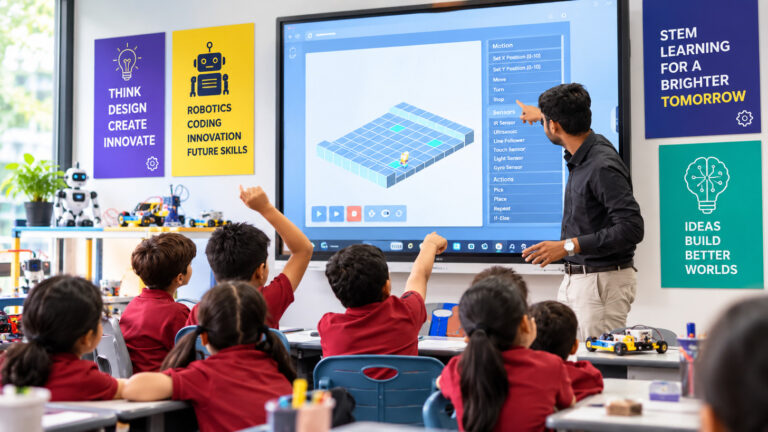
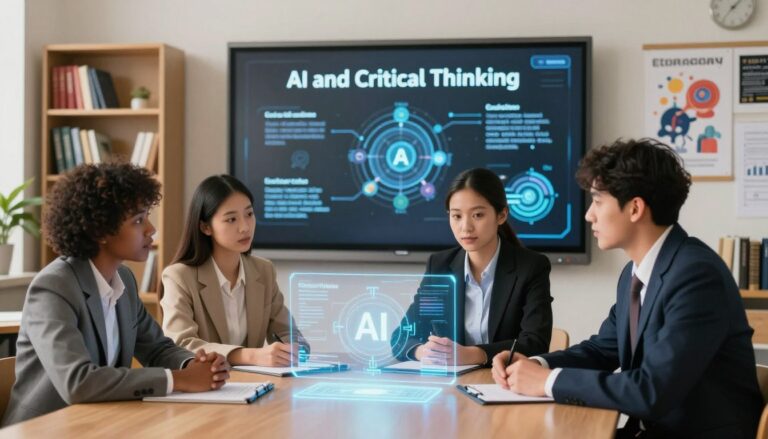
AI in Education is changing classrooms and helping students understand difficult ideas. Artificial intelligence in education helps learners explore subjects with greater clarity and focus.
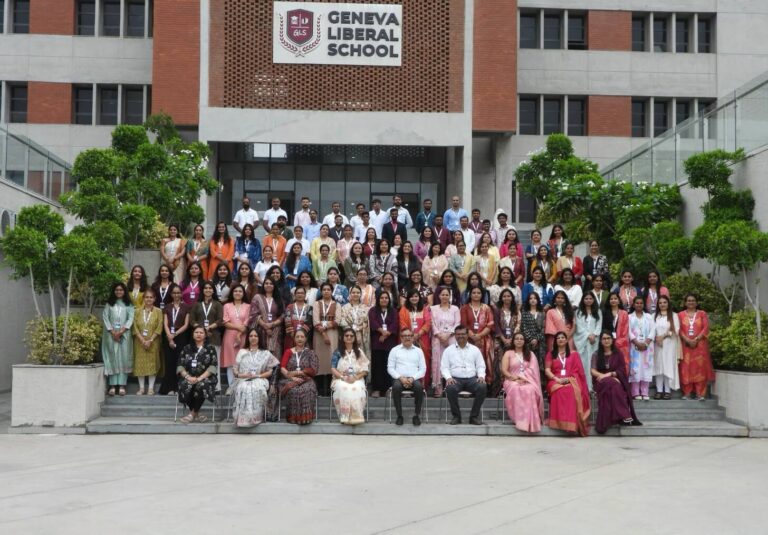
At Geneva Liberal School, we use these advances to strengthen critical thinking, not replace human guidance. Pupils learn these systems to solve problems while keeping their own creative voice.
We believe the future of learning depends on balancing technology with traditional values. Responsible participation prepares students to face a changing world with confidence and integrity.
Key Takeaways
- Digital tools are utilised to enhance, not replace, the essential bond between teachers and pupils.
- Geneva Liberal School prioritises the development of critical inquiry over passive consumption of information.
- Students learn to use modern systems as a purposeful means to solve complex, real-world problems.
- Responsible participation is at the heart of our curriculum to ensure ethical engagement with new technologies.
- We focus on nurturing the natural curiosity of every child to support long-term academic growth.
Geneva Liberal School’s Vision for the Future of Learning
At the heart of the future of learning lies a commitment to nurturing the whole child. Education must go beyond facts and build deep, lasting understanding. At Geneva Liberal School, we believe schooling should prepare students for a constantly changing world.
Preparing curious, creative, critical and responsible learners
Our educational framework builds traits that help students face life with confidence. We focus on four pillars that shape our approach to student development:
- Curiosity: Encouraging students to ask profound questions about the world around them.
- Creativity: Providing the space to explore original ideas and innovative solutions.
- Critical Thinking: Teaching students to evaluate information with rigour and discernment.
- Responsibility: Fostering an ethical mindset that considers the impact of one’s actions on others.
Why AI matters in a rapidly changing world
In an era of rapid technological change, students need more than basic familiarity with digital tools. They must develop the intellectual resilience to question automated outputs and consider the wider effects of their decisions. The future of learning depends on teaching children to remain masters of their own thinking.
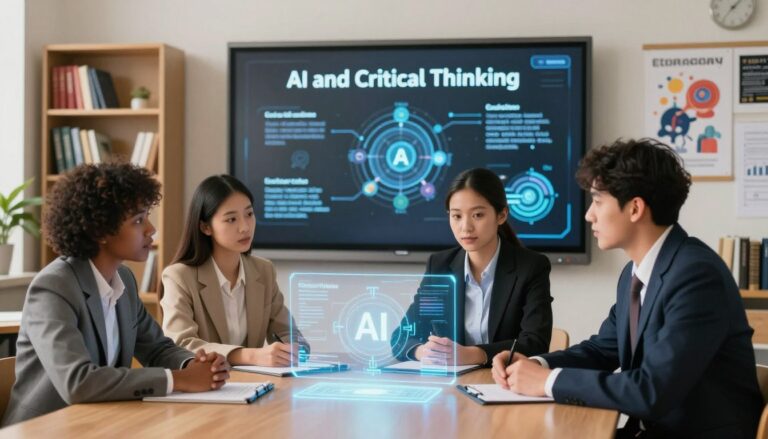
By engaging with complex systems, students learn to separate helpful assistance from possible bias. This critical engagement ensures they do not accept information at face value. Instead, they learn to question the systems that shape their digital environment.
Geneva Liberal School as a case study in purposeful technology use
Geneva Liberal School serves as a model for how institutions can use technology with clear educational purpose. We do not adopt tools simply because they are new or popular. Every piece of technology introduced into our classrooms must serve a clear pedagogical purpose.
Our approach prioritises meaningful engagement over passive consumption. By aligning our digital strategy with core values, we make technology a bridge to deeper understanding. This intention helps our students develop the skills needed to thrive in an increasingly complex global landscape.
AI in Education at Geneva Liberal School
At Geneva Liberal School, we use technology through careful teaching design. We see AI in Education as a tool, not a replacement for traditional methods, and use it to deepen inquiry. Learning leads technology, not the other way around.
Moving beyond technology for technology’s sake
Many institutions adopt digital tools because they are new, but we take a more careful path. We judge each resource by whether it builds genuine curiosity and critical thinking. Tools must improve questioning, analysis or creativity to enter our curriculum.
Using AI to extend learning across subjects and contexts
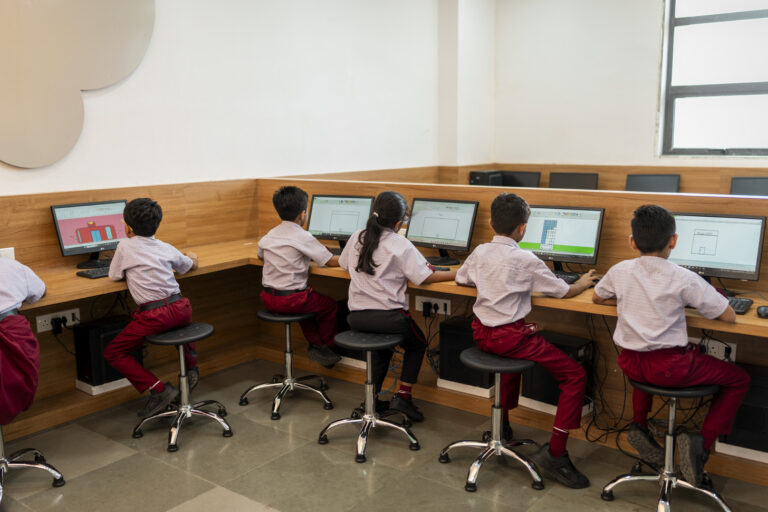
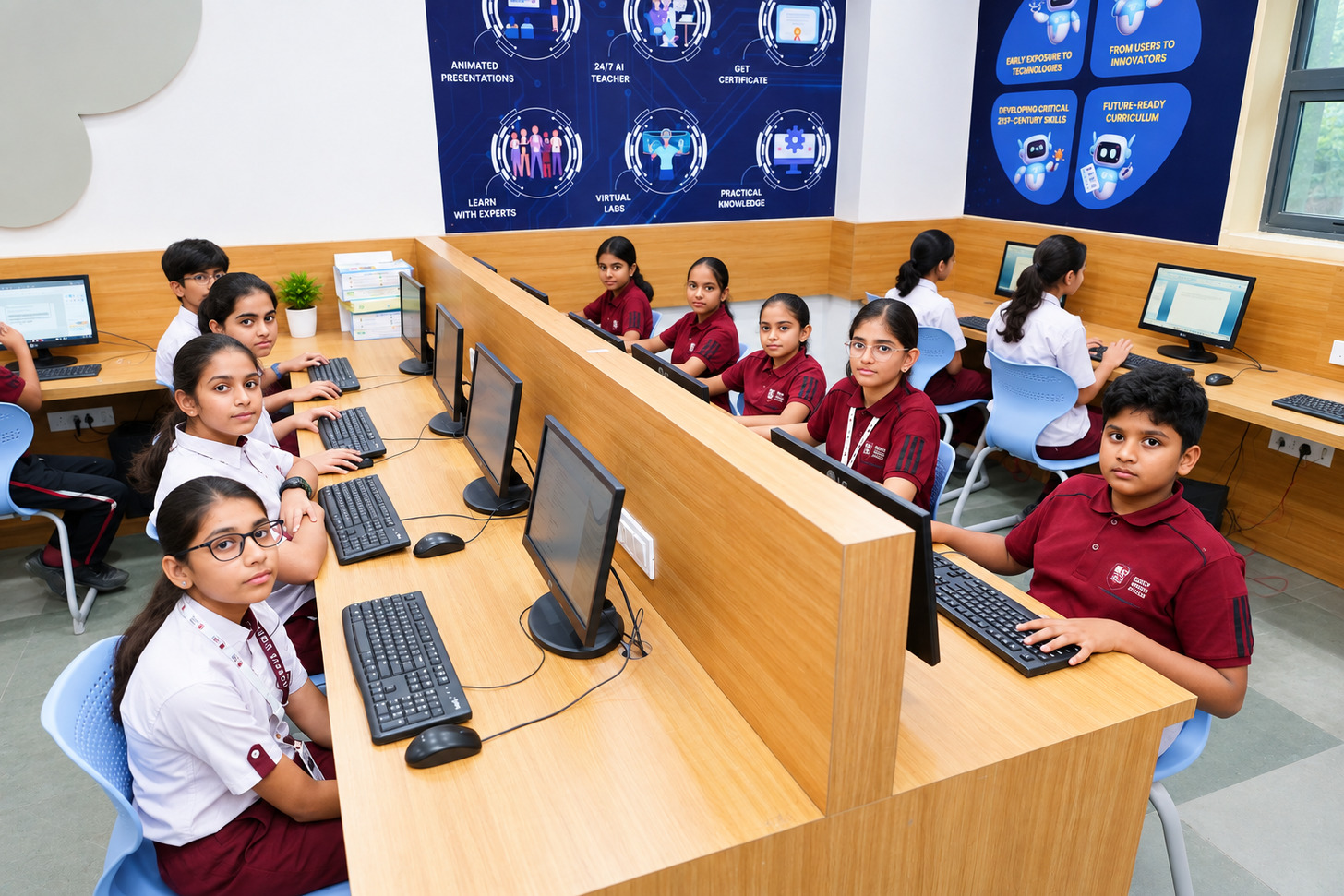
The application of ai in schools helps students link abstract ideas with real-world use. Intelligent systems can model complex data or simulate historical scenarios, helping learners explore subjects in unprecedented depth. This interdisciplinary approach keeps knowledge connected and builds a clear understanding of the world.
Connecting AI in schools with the needs of learners in India and beyond
We recognise that the landscape of ai in education in india is changing quickly, bringing unique challenges and major opportunities. Our students must prepare for a globalised workforce, where digital literacy is essential. Linking local contexts with international standards helps learners solve problems for communities and the wider world.
Balancing innovation with the school’s educational values
Innovation must be guided by human judgement and a strong ethical framework. We teach students that machines process information but cannot copy empathy, moral reasoning or creative intuition that shape a thoughtful person. Our responsibility is to help learners use technology with integrity, so their growth stays grounded in our core values.
Personalised Learning Through Artificial Intelligence
Modern education uses technology that responds to each child’s specific needs. Intelligent systems help schools provide academic support at scale, so every student receives needed attention.
Adapting explanations, practice and feedback to individual needs
The true power of personalised learning is meeting each student at their current stage. Through adaptive learning platforms, systems adjust explanations to match each student’s immediate response.
This prevents learners feeling overwhelmed by advanced content or bored by work they have mastered. Also, individualised feedback helps students understand mistakes in real-time and supports a more nurturing and responsive environment.
Supporting different learning preferences, abilities and levels of confidence
Each child processes information differently, as a visual learner or someone who prefers clear, step-by-step guidance. AI-powered learning tools offer several routes to understanding, matching subjects to students’ personal strengths.
For students who lack confidence in a subject, these tools offer a safe space to practise without public pressure. With gentle encouragement and scaffolded support, technology builds resilience for harder concepts over time.
Helping students become more independent and reflective learners
Education should build self-aware people who can manage their own progress, not just academic mastery. When students track their development with technology, they see learning as a continuous process, not static tasks.
This reflection helps them find knowledge gaps and choose resources to fill them. By owning their educational path, students gain the independence needed for lifelong success.
Using AI-powered learning as support rather than a substitute for thinking
Technology should act as a bridge to deeper understanding, not a shortcut to the finish line. We must keep adaptive learning as a tool for intellectual exploration, not a replacement for critical thinking.
These systems work best when they prompt deeper questions and fuller engagement with the material. Ultimately, individualised feedback should sharpen the mind, while the student remains the primary architect of their learning.
AI Across Early Years, PYP, MYP and IBDP
Implementing AI across Early Years, PYP, MYP and IBDP needs a clear plan for each stage of student growth. Schools can match digital tasks to age and help technology deepen learning, not distract students.
Building age-appropriate digital understanding in Early Years
In the earliest school years, children build basic digital skills and learn to observe technology responsibly. They identify how simple tools work, which fosters wonder about the digital world. This gentle introduction helps young learners see technology as a useful assistant during daily exploration.
Developing curiosity and inquiry through the Primary Years Programme
In the Primary Years Programme, the focus shifts towards inquiry-based learning. Students ask how systems work and why they produce certain outputs. Investigating these processes builds critical thinking for an increasingly digital world.
Applying AI to projects and interdisciplinary learning in the Middle Years Programme
The Middle Years Programme lets students use digital tools in complex, multi-subject projects. This approach supports the growth of ai in education in india, as students connect global technology trends with local contexts. Through Collaborative projects, they test these systems’ limits and explore links between subjects.
Using research, analysis and real-world problem-solving in the IBDP
In the IBDP, technology use becomes more advanced and analytical. Students use these tools for careful research, assess complex data sets, and suggest solutions to real global challenges. This stage requires academic maturity and strong ethical standards.
Progressing from guided exploration to responsible independent use
The ultimate goal is to guide students from teacher-led discovery towards responsible independent use. By their final years, learners should confidently use digital systems with integrity and purpose. This progression helps them lead their learning journey while using guidance from their mentors.
Research, Creativity, Problem-Solving and Collaboration with AI
Technology in education helps students discover ideas and create new solutions. Used with care, these tools do more than give answers; they support each learner’s thinking.
Strengthening research questions, source evaluation and idea development
AI for research allows students to improve questions by finding gaps in current knowledge. Instead of trusting the first result, learners compare viewpoints and check source credibility with digital tools.
- Formulating precise, open-ended research questions.
- Cross-referencing data from multiple academic databases.
- Synthesising complex information into coherent arguments.
Giving students new ways to explore creative possibilities
Using AI for creativity helps students test unusual ideas. They can picture concepts or draft creative outlines, making a blank page less daunting.
This process helps students visualise abstract theories and examine artistic or literary themes from fresh angles. It turns the creative process into a lively dialogue between the student’s vision and the machine’s vast data capabilities.
Using AI to investigate complex problems and test possible solutions
AI-powered learning offers a safe space to test hypotheses in real time. Students can model environmental or social challenges and see possible effects before completing their projects.
This repeated process builds resilience and analytical thinking. It teaches students to see failure as a needed step towards a more effective, evidence-based conclusion.
Supporting collaboration through shared ideas, discussion and project planning
Collaboration thrives when students share a space for organising ideas and delegating tasks. Digital platforms help by storing project timelines, research notes and brainstorming sessions in one accessible place.
- Facilitating group discussions on project direction.
- Managing shared timelines and individual responsibilities.
- Integrating diverse viewpoints into a unified final presentation.
Turning AI-generated suggestions into original student-led work
The true value of AI-powered learning comes from changing machine-generated output into original student work. Students must use their own judgement, ethics and critical analysis for every suggestion they receive.
By treating suggestions as a starting point, learners ensure their work remains authentically their own. This preserves academic integrity while embracing modern technology’s efficiency.
Responsible, Ethical and Critical Use of AI
AI in schools offers great promise, but it also gives learners serious responsibility. As students use these advanced tools, they must put ethical AI in education before convenience.
Checking accuracy instead of accepting AI outputs uncritically
Students should treat AI-generated content as a starting point, not absolute truth. They must check facts with reliable sources because AI models can give plausible but wrong information. Developing this habit of verification ensures that learners remain the masters of their own knowledge.
Recognising bias and questioning how AI systems produce information
Technology is never neutral because its design reflects data and human assumptions. By examining how systems work, students learn to spot possible bias in received information. This critical awareness supports responsible AI use in today’s classroom.
Protecting personal information and understanding privacy risks
Protecting digital identity is an essential skill in our connected world. Learners must understand why they should not share sensitive personal data with AI platforms. A cautious approach to privacy protects students and peers from possible digital vulnerabilities.
Respecting originality, attribution and academic integrity
Seeking knowledge requires honesty and proper acknowledgement of ideas. Maintaining academic integrity means students must cite sources and ensure their final work shows their own unique voice. Originality remains the hallmark of genuine learning, even when using advanced digital assistants.
Making thoughtful decisions about when and how AI should be used
The goal is to help students make informed choices about their digital interactions. When AI in schools follows a strong ethical framework, technology can support, not weaken, human inquiry and critical thought.
Teachers Remain Central to Meaningful Learning
While digital tools evolve rapidly, the classroom’s heart remains the connection between teacher and student. The introduction of artificial intelligence in education does not reduce the educator’s role; it creates new opportunities for mentorship and guidance.
How AI enhances teaching rather than replacing teachers
Technology in education supports teachers rather than replacing their professional insight. By handling routine administrative tasks, these systems let educators focus on each child’s growth. Teachers provide the empathy and moral compass that no algorithm can replicate.
Creating more time for feedback, mentoring and meaningful relationships
When teachers leave repetitive duties behind, they gain time for deep, one-to-one conversations. This supports teacher-led learning, with educators guiding curiosity and offering emotional support. Strong relationships support academic success, especially when teachers can listen and mentor well.
Designing learning experiences that combine human judgement with technology
At Geneva Liberal School, we thoughtfully combine digital tools with teaching. We believe that human judgement must guide every new system, so it reflects our values. By joining technical efficiency with pedagogical wisdom, we create a balanced environment where students thrive.
Helping students use AI as a tool for deeper questions and better learning
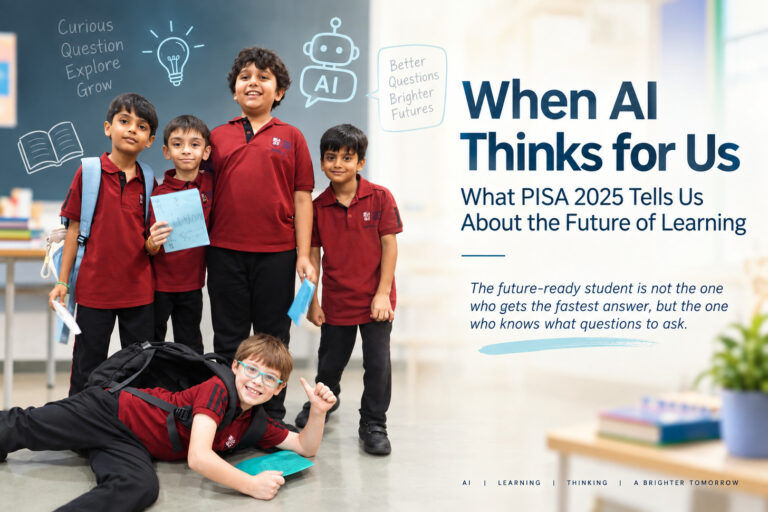
We teach students to use artificial intelligence in education as a springboard for inquiry. Instead of accepting automated answers, students learn to question the information they receive. This turns technology in education into a tool for critical thinking, helping learners ask deeper questions and develop a deeper understanding of the world around them.
Conclusion
Bringing technology into classrooms changes how schools nurture young minds. Geneva Liberal School shows that AI in Education can drive growth when clear teaching goals guide its use. With human connection and ethical awareness, schools can turn digital tools into paths for real discovery.
Preparing students for the future of learning needs a balance between new ideas and trusted traditions. At Geneva Liberal School, teachers build curious, creative, critical and responsible learners who face the world with confidence. This approach helps children develop the resilience needed for an unpredictable global landscape.
Real progress comes from the partnership between committed teachers and thoughtful technology. When educators guide students through complex digital spaces, students gain a deeper understanding of the world. This partnership between human wisdom and machine capability shapes the future for schools in India and across the globe.
The journey towards excellence is ongoing and demands regular reflection. By choosing a school that values academic rigour and character development, families give children the best possible foundation. The future belongs to people who meet each challenge with curiosity and integrity.