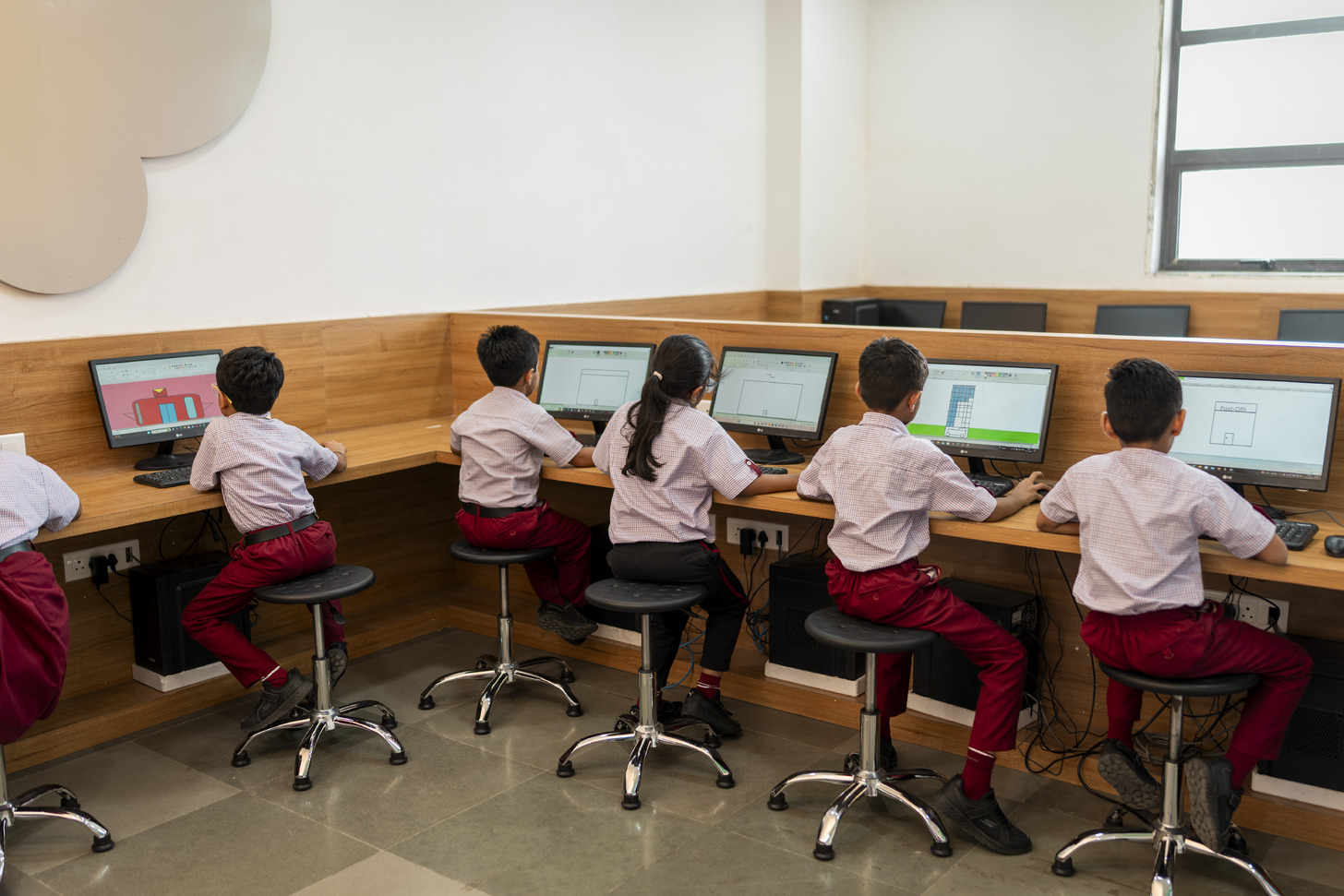
Career Guidance in Schools: Preparing Students for Careers That Do Not Yet Exist
A young person may spend twelve years preparing for high-stakes examinations, yet receive very little structured guidance regarding their future. In a rapidly changing world defined by artificial intelligence and emerging industries, traditional academic paths no longer guarantee success. Schools must now help children understand their unique strengths and aspirations long before they reach graduation.
The modern professional landscape evolves faster than most school curricula. Because many future roles do not yet exist, we must shift our focus from choosing a specific job to building adaptability and self-awareness. True preparation involves developing the judgment required to navigate an uncertain economy rather than making premature commitments to familiar professions.
Effective guidance is a collaborative process involving schools, families, and mentors. By fostering an environment of inquiry, we empower the next generation to embrace change with confidence. Seeking the Best career counselling for students in Ahmedabad can provide the necessary framework to turn natural curiosity into a sustainable and fulfilling life path.
Why Schools Must Rethink Career Guidance for a Fast-Changing Future
As the nature of work undergoes a profound transformation, our educational approach to career planning must evolve accordingly. The traditional model of guidance, which often relies on static lists of professions, is struggling to keep pace with the rapid evolution of the global job market. To truly support students, we must shift our focus toward preparing them for future careers that may not even exist today.
The current career landscape is changing far faster than most school curricula can adapt. Automation, artificial intelligence, and the rise of interdisciplinary fields are fundamentally reshaping how we define professional success. When we limit our guidance to conventional paths, we risk leaving students ill-equipped for the complexities of a modern, digital-first economy.
Instead of focusing on fixed occupational predictions, schools should prioritize the development of transferable abilities. Skills such as critical inquiry, effective communication, and creative problem-solving are the true currency of the modern age. By fostering these competencies, we empower students to navigate future careers with confidence, regardless of how the industry landscape shifts.
Adaptability is perhaps the most vital trait for the next generation. Rather than asking a student to choose a single, lifelong career path, we should encourage them to view their professional journey as a series of evolving opportunities. This growth-oriented mindset allows them to pivot when technology changes or when new social needs emerge.
Ultimately, the goal of career guidance is to cultivate a sense of agency and resilience. By moving beyond outdated frameworks, we provide students with the tools to build meaningful future careers in an unpredictable world. This transition requires a thoughtful, measured approach that values long-term development over immediate, narrow outcomes.
Best Career Counselling for Students in Ahmedabad: Building Informed Choices
Providing the best career counselling for students in Ahmedabad means creating a space where every child feels heard and understood. It is not merely about selecting a college major or a future job title; it is a structured, reflective process that helps young learners uncover their unique potential. By focusing on self-awareness, students can begin to investigate a wide range of possibilities that align with their personal values.
Effective career counselling for students must account for the diverse academic profiles and family contexts found within our city. Guidance should be deeply inclusive, ensuring that every learner—regardless of their background, language, or exposure to professional information—receives the support they need. When schools adapt their approach to be age-appropriate, they help children build confidence at every stage of their development.
Meaningful support is far more than a single recommendation or a static test result. It requires sustained, respectful dialogue between the student, the counselor, and the family. By fostering this ongoing conversation, we ensure that choices are not just informed, but are also genuinely owned by the student as they prepare for their future.
Why Students Often Choose Careers Without Enough Self-Awareness
The journey toward a fulfilling profession often begins with a quiet, honest look at one’s own desires. Unfortunately, many student career decisions are shaped by external pressures rather than internal discovery. Students frequently feel the weight of societal expectations, which can cloud their judgment during critical academic years.
Peer influence and the allure of high-salary roles often dominate the conversation in classrooms and at home. When social media highlights only the most glamorous or lucrative paths, it creates a narrow view of success. This constant exposure to curated images makes it difficult for young people to recognize their own unique talents and preferred ways of working.
Helping students separate external opinions from personal priorities
To foster genuine growth, schools and parents must prioritize self-awareness in career planning. It is essential to create a safe space where students can distinguish between what others want for them and what they truly value. By encouraging deep reflection, we help them identify their core strengths before they commit to a specific academic track.
Parents play a vital role by shifting the focus from prestige to purpose. When adults ask thoughtful questions about a child’s interests rather than pushing for a specific degree, they empower the student to take ownership of their future. This shift in perspective is crucial for long-term satisfaction and professional resilience.
Ultimately, building a foundation of self-awareness allows students to navigate a changing world with confidence. By valuing personal priorities over external noise, they are better prepared to make choices that lead to a meaningful and sustainable career. This process of inquiry is the most valuable gift we can offer the next generation.
Starting Career Guidance Before Grade 10
The journey toward a fulfilling career should begin long before the high-stakes decisions of Grade 10. When students engage in career planning during their middle school years, they develop a deeper sense of self-awareness that serves them throughout their lives. This process is not about choosing a specific job title at a young age; rather, it is about cultivating the curiosity needed to explore various possibilities.
Many educational institutions rely on isolated, one-time counselling sessions to help students select their academic streams. However, these brief interactions often fail to provide the nuanced understanding required for long-term success. True early career guidance functions as a developmental process, weaving reflection and exploration into the fabric of a student’s daily life.
“The best way to predict the future is to create it.”
By shifting toward a model of continuous support, schools allow students to evolve alongside their interests. This approach encourages young learners to participate in conversations and practical experiences that broaden their horizons. Instead of feeling pressured to make a sudden, life-altering choice, students gradually build the confidence to navigate their own paths through thoughtful career planning.
Consistent engagement ensures that students remain open to new information as they grow. When early career guidance is integrated into the curriculum, it transforms from a stressful event into a natural part of personal development. This measured approach respects the intelligence of the student and fosters a genuine connection between their passions and their future contributions to society.
Understanding Aptitude, Interests, Personality, Values, and Strengths
A meaningful career path is built upon the foundation of a student’s unique inner landscape. To guide a child effectively, we must distinguish between the various elements that shape their potential. Aptitude refers to a natural ability to learn or perform specific tasks, while interests represent the activities that genuinely capture a student’s curiosity.
Beyond these, personality dictates how a student interacts with their environment and colleagues. Values act as the internal compass, guiding what a student finds meaningful in their work, and strengths are the developed skills that allow them to excel. Together, these five pillars provide a comprehensive view of where a student might thrive.
Using psychometric assessment responsibly as one part of career planning
In the modern educational landscape, a psychometric assessment can offer valuable insights into a student’s cognitive patterns and behavioral tendencies. However, it is vital to view these tools as a starting point rather than a definitive answer. Responsible use means treating the data as a guide for exploration rather than a rigid prescription for the future.
Effective career planning requires us to look at these assessments as one piece of a much larger puzzle. Relying solely on a test score ignores the fluid nature of human development. We must ensure that students do not feel limited by their results, but rather empowered to investigate new possibilities.
Combining assessment results with counselling conversations and real-world evidence
The most accurate insights emerge when we synthesize test data with qualitative information. Counselling conversations allow students to reflect on their own experiences and articulate their aspirations in a safe space. These dialogues help bridge the gap between abstract test results and the student’s lived reality.
Furthermore, we must integrate real-world evidence such as project work, classroom behavior, and extracurricular achievements. When a student’s academic performance aligns with their personal interests and strengths, the path forward becomes much clearer. By combining these diverse sources of information, we support a more authentic and sustainable approach to long-term growth.
Expanding Career Exploration Beyond Medicine, Engineering, Law, CA, and Government Services
True career exploration requires looking beyond the well-trodden paths that have historically defined success in our society. While medicine, engineering, law, and government services offer stability, they represent only a fraction of the modern professional landscape. Students often feel pressured to follow these traditional routes, yet the global economy is shifting toward roles that did not exist a decade ago.
Teaching students how to evaluate unfamiliar future careers
To navigate this complexity, students must learn to analyze future careers by examining the specific problems they aim to solve. Rather than choosing a path based on prestige or perceived financial gain, they should ask what value a role provides to the world. This critical approach helps distinguish between fleeting trends and sustainable, long-term professional opportunities.
Encouraging students to investigate the core purpose of a job allows them to see past the surface-level appeal of new titles. When a student understands the underlying challenge a career addresses, they can better determine if their own interests align with that mission. This shift in perspective fosters a more intentional approach to building a professional life.
Connecting career possibilities with required skills, qualifications, and work settings
Once a potential field is identified, the next step involves mapping out the necessary skills and qualifications. It is essential to look at the actual work environment, whether it is a remote digital space, a collaborative laboratory, or a creative studio. By understanding the daily reality of these future careers, students can make informed decisions that match their personal strengths.
We must teach students to verify the legitimacy of emerging fields by researching the required education and practical experience. Critical evaluation is vital; a career should not be pursued simply because it appears modern or exciting. By grounding their choices in tangible requirements, students move from passive observers to active architects of their own professional futures.
A School-Based Career Guidance Framework for Grades 6 Through 12
Effective career planning is not a singular event but a continuous journey that begins in the middle school years. By implementing a structured, developmental framework, schools can nurture a student’s natural curiosity while providing the tools necessary for informed decision-making.
Interest exploration through clubs, projects, hobbies, and classroom discussions
During grades 6 through 8, the primary focus remains on self-discovery. Students are encouraged to participate in diverse clubs, hands-on projects, and extracurricular hobbies to identify their innate strengths. These activities serve as a low-pressure environment for meaningful career exploration, allowing children to understand what truly excites them.
Introducing diverse professions through stories, speakers, and age-appropriate activities
Broadening horizons requires exposure to a wide array of professional paths beyond traditional roles. Schools can invite guest speakers or share stories of professionals from emerging fields to spark interest. This approach ensures that students view the world of work as a vast, inclusive landscape rather than a narrow set of options.
Connecting subjects with possible academic and career pathways
As students transition into grades 9 and 10, the focus shifts toward subject selection and understanding how classroom learning translates into real-world application. Teachers play a vital role here by explicitly linking academic concepts to potential career trajectories. This helps students see the relevance of their studies in a practical, long-term context.
Comparing stream options without treating one stream as universally superior
It is essential to present all academic streams with equal respect and objective analysis. By comparing the merits of various paths, schools help students make choices based on their unique aptitude rather than social pressure. This balanced perspective is a cornerstone of healthy career planning.
Researching degrees, entrance requirements, institutions, and career outcomes
In grades 11 and 12, the framework pivots toward rigorous university guidance. Students learn to research specific degree programs, understand complex entrance requirements, and evaluate potential career outcomes. This phase empowers them to take ownership of their academic future with confidence and precision.
Creating alternative pathways when students change interests or plans
Growth is rarely linear, and students may often shift their focus as they mature. A robust framework must include flexible strategies that allow for pivots in academic or professional goals. By preparing alternative pathways, schools ensure that students remain resilient and adaptable in an ever-changing global economy.
Practical Experiences That Make Career Counselling More Effective
Experiential learning transforms abstract career concepts into tangible, life-changing insights. When students engage in career exploration beyond the confines of a classroom, they begin to see the direct link between their academic efforts and future professional roles.
Helping students reflect on what each experience reveals about their preferences
Effective guidance requires more than just attending a lecture; it demands active participation. Schools should integrate career talks, aptitude assessments, and mentoring to provide a holistic view of various industries.
After each interaction, students must pause to reflect on their reactions. Did the mentoring session spark genuine curiosity, or did the daily reality of the profession feel misaligned with their personal values? This reflective process is the cornerstone of experiential career counselling, ensuring that students choose paths based on self-knowledge rather than external pressure.
Creating equitable access for students who lack professional networks
Not every student has the advantage of family connections to secure high-quality workplace exposure or internships. Schools carry the responsibility to bridge this gap by creating structured opportunities for all learners.
By organizing university interactions and curated internships, institutions ensure that every student gains a competitive edge. These programs provide a level playing field where talent and interest—not social capital—determine a student’s trajectory. Equitable access to these experiences is essential for fostering a diverse and capable future workforce.
Ultimately, when schools treat these activities as complementary components rather than isolated events, they empower students to make informed, confident decisions. This approach turns the daunting task of career planning into a journey of discovery and growth.
How Parents and Schools Can Support Better Career Decisions
The journey toward a meaningful career begins with a shift in how parents and educators frame the conversation. Instead of asking, “What career should my child choose?” it is far more productive to ask, “How can I help my child make an informed career decision?” This subtle change in language reduces the weight of expectation and opens the door to genuine exploration.
Schools and families must work in tandem to create a safe space where students feel comfortable expressing their true interests. When adults prioritize curiosity over compliance, students are more likely to engage with their own potential. This collaborative approach ensures that the focus remains on the student’s growth rather than fulfilling external pressures.
Effective university guidance plays a vital role in this process by providing students with a broader perspective on global opportunities. By exposing students to diverse fields, schools help them understand that their future is not limited to traditional paths. This exposure is essential for building the confidence needed to navigate an increasingly complex professional landscape.
Recognising when a student needs additional emotional or academic support
Sometimes, the process of choosing a path becomes overwhelming, leading to anxiety or a decline in academic performance. It is crucial for parents and teachers to remain observant of signs such as persistent low confidence, withdrawal, or intense family conflict. These indicators often suggest that a student is struggling under the weight of perceived expectations.
When these challenges arise, the priority must shift toward providing emotional stability and professional support. Addressing these underlying issues early allows students to regain their focus and make informed career decisions with a clearer mind. A supportive environment is the foundation upon which all successful future planning is built.
Using AI for Career Exploration Without Replacing Human Counselling
Navigating the path to future careers involves a blend of algorithmic precision and human wisdom. Artificial intelligence serves as a powerful engine for discovery, allowing students to map out potential industries and compare complex educational qualifications with ease.
However, technology is merely a tool, not a replacement for the empathetic guidance provided by a mentor. While AI can organize vast amounts of data, it lacks the capacity to understand the nuanced em-otional landscape of a student’s personal aspirations.
A practical model for combining AI tools with trained career counsellors
A balanced approach requires students to use AI for initial research while reserving deep, reflective conversations for their human counsellors. This model ensures that data-driven insights are filtered through the lens of ethical judgment and individual circumstances.
“Technology will never replace the human connection; it is meant to amplify our ability to understand and guide the next generation toward meaningful work.”
In this framework, the student uses AI to identify information gaps and generate initial questions. The counsellor then steps in to provide contextual interpretation, helping the student verify sources and align their findings with their personal values.
Ultimately, the final decision remains a human process, rooted in accountability and family support. By leveraging the speed of digital tools alongside the em-pathy of a professional, students can make informed choices that honor both their potential and their unique life path.
Conclusion
Preparing children for the workforce requires a shift in perspective that moves beyond traditional milestones. True career planning functions as a continuous journey of discovery rather than a single event tied to academic streams.
Students thrive when they cultivate self-awareness alongside practical exposure to diverse industries. Mentoring and family support provide the necessary foundation for young people to navigate uncertainty with confidence. By integrating these elements, schools help pupils build the adaptability needed for roles that do not yet exist.
Accessing the best career counselling for students in Ahmedabad ensures that guidance remains rooted in individual strengths and values. This professional support helps bridge the gap between classroom learning and real-world demands. It encourages students to view their future as a canvas for innovation rather than a rigid path.
Engaging with these resources allows families to make informed choices that honor a child’s unique potential. A commitment to lifelong learning remains the most valuable asset in a rapidly changing global economy. We invite you to prioritize these meaningful conversations to help the next generation define their own success.