

Competency-Based Assessment: Rethinking How Students Learn and Demonstrate Understanding
The Indian education landscape is undergoing a massive transformation. With the introduction of the NCF and NEP 2020, schools are shifting away from rote memorization toward a more practical approach. Modern classrooms now prioritize how well a student applies knowledge in real-world scenarios.
CBSE initiatives now mandate that 50 percent of questions in examinations focus on testing core skills rather than just memory. This change helps students develop critical thinking and problem-solving abilities that last a lifetime. Families and educators must embrace this shift to ensure children thrive in a changing global economy.
This guide provides a clear roadmap for navigating these new standards. We will explore how to design effective rubrics, provide meaningful feedback, and create authentic evidence of learning. By moving beyond traditional testing, we can help every learner reach their full potential through visible demonstrations of understanding.
Key Takeaways
- NEP 2020 and NCF frameworks are driving a major shift in Indian education.
- CBSE now requires half of all exam questions to be based on practical skills.
- The focus is moving from simple recall to deep, conceptual understanding.
- Educators are encouraged to use rubrics and feedback to track student growth.
- This approach prepares students for real-world challenges rather than just test scores.
Why Competency-Based Assessment Matters for Student Growth
A focus on competency-based assessment transforms the classroom from a place of testing into a hub of genuine skill development. Instead of viewing students as passive recipients of information, this approach treats them as active participants in their own learning journey. By shifting our perspective, we can foster an environment where growth is measured by what a student can achieve rather than what they can simply recite.
Replace Recall-Heavy Testing With Demonstrated Understanding
Traditional examinations often reward students who have a talent for memorizing facts just long enough to pass a test. However, this method rarely reflects a student’s ability to solve complex problems in the real world. True mastery requires the ability to apply knowledge in new and unfamiliar situations.
“Education is not the learning of facts, but the training of the mind to think.”
When we move away from recall-heavy testing, we encourage students to demonstrate their understanding through projects, presentations, and practical tasks. This shift ensures that students are not just collecting grades, but are actually building a foundation of usable knowledge.
Connect Assessment With Competency-Based Learning and Holistic Education
Integrating competency-based learning into the classroom allows educators to see the “big picture” of a student’s development. This framework aligns perfectly with the goals of holistic education, which seeks to nurture the intellectual, social, and emotional well-being of every child. By focusing on competencies, schools can support a more balanced and comprehensive growth model.
This approach to competency-based education ensures that assessment is not an isolated event at the end of a term. Instead, it becomes a continuous process that informs instruction and helps students identify their own strengths and areas for improvement. It creates a supportive culture where learning is valued over the pressure of high-stakes testing.
Recognize the Difference Between Grades, Skills, and Competencies
It is vital to distinguish between traditional grading and the development of transferable skills. While a grade provides a snapshot of performance, a competency represents a deeper, more durable ability to perform a task effectively.
| Category | Focus | Measurement |
|---|---|---|
| Grades | Academic Ranking | Percentage or Letter |
| Skills | Specific Tasks | Proficiency Level |
| Competencies | Integrated Mastery | Demonstrated Application |
Knowledge, Application, Communication, and Collaboration as Connected Outcomes
Student growth is multidimensional and cannot be captured by a single examination score. We must view knowledge, application, communication, and collaboration as interconnected outcomes that define a student’s readiness for the future. When a student learns to communicate their ideas clearly and collaborate with peers, they are developing essential life skills that go far beyond the textbook.
By prioritizing these outcomes, we prepare students to navigate a rapidly changing world with confidence. This integrated approach ensures that every student has the opportunity to thrive, regardless of their starting point. Ultimately, this is the core promise of a modern, student-centered educational system.
Core Principles of Competency-Based Assessment
Transforming the classroom experience begins with adopting foundational pillars that prioritize actual skill development over simple memorization. By focusing on what a student can truly do, educators create a more equitable and effective path for every learner.
Define Clear, Observable Learning Competencies
Success starts with clarity. Teachers must define exactly what mastery looks like for a specific skill or concept. When learning goals are observable, students understand the target, which reduces anxiety and increases focus.
Allow Students Multiple Ways to Demonstrate Mastery
Not every student expresses their knowledge through a traditional written test. Providing diverse options—such as oral presentations, digital portfolios, or hands-on projects—allows learners to showcase their unique strengths. This flexibility is a hallmark of high-quality competency-based learning.
Use Formative Evidence Before Summative Decisions
It is vital to gather evidence of learning throughout the process rather than waiting for a final exam. By using formative assessments, teachers can identify gaps early and provide support before a student falls behind. This proactive approach ensures that final grades reflect a student’s true potential.
Make Progress, Feedback, and Reassessment Visible
Transparency builds trust in the classroom. Students should always know where they stand and what steps are needed to reach the next level of proficiency. Constructive feedback should be ongoing, and students must have the opportunity to reassess their work to demonstrate growth.
How Student-Centred Learning Supports Fairer Assessment
When we embrace student-centred learning, we shift the power dynamic in the classroom. This model encourages students to take ownership of their journey, making the entire competency-based assessment process feel like a partnership. By prioritizing individual progress, we ensure that every child has a fair chance to succeed.
| Feature | Traditional Assessment | Competency-Based Assessment |
|---|---|---|
| Primary Focus | Content Coverage | Demonstrated Mastery |
| Feedback Timing | End of Unit | Continuous and Ongoing |
| Student Role | Passive Recipient | Active Participant |
| Reassessment | Rarely Allowed | Encouraged for Growth |
By integrating these principles, schools can foster a culture of continuous improvement. This shift toward competency-based learning ensures that education remains relevant and impactful for every student in India.
Plan a Competency-Based Assessment System Step by Step
Teachers can transform their classrooms by following a structured path toward more meaningful student evaluations. Moving away from traditional testing requires a clear, logical sequence that keeps student growth at the center of every lesson.
Step: Identify the Essential Competencies in the CBSE Curriculum
The first step involves looking closely at the CBSE curriculum to determine what truly matters. Instead of covering every single page of a textbook, focus on the core skills that students need to master for long-term success.
Identify the big ideas that define each subject area. By narrowing your focus to these essential goals, you create a clear roadmap for both yourself and your students.
Step: Convert Learning Objectives Into Demonstrable Performance Outcomes
Once you have identified the core goals, translate them into actions. A competency-based assessment should focus on what a student can actually do with their knowledge.
Ask yourself: “What does mastery look like in this unit?” When you define success through observable actions, you make it easier for students to understand their own progress.
Step: Select Authentic Tasks and Experiential Learning Experiences
Learning becomes more impactful when it connects to the real world. Incorporate experiential learning to help students apply their knowledge in meaningful ways.
Design tasks that require critical thinking and problem-solving rather than simple memorization. This approach fosters skill-based learning by encouraging students to engage deeply with the material.
Step: Decide What Evidence Will Show Understanding
Evidence of learning should be diverse and ongoing. Rather than relying on a single final exam, gather information throughout the entire unit to build a complete picture of student ability.
Examples of Evidence From Projects, Presentations, Portfolios, and Practical Work
To capture a full range of abilities, consider using these varied formats:
- Projects: Long-term assignments that demonstrate research and synthesis.
- Presentations: Opportunities for students to explain their reasoning and communicate ideas clearly.
- Portfolios: Collections of work that show growth and reflection over time.
- Practical Work: Hands-on demonstrations of scientific or mathematical concepts.
Step: Schedule Checkpoints for Feedback and Reassessment
A successful competency-based assessment system relies on constant communication. Build specific checkpoints into your lesson plans to provide timely guidance before the final evaluation.
These moments allow you to address gaps in understanding early. By prioritizing feedback, you ensure that every student has the support they need to reach their full potential within the CBSE curriculum.
Design Tasks That Reveal Real Understanding
Authentic assessment begins when we challenge students to apply what they know in meaningful ways. By moving away from rigid, one-answer prompts, educators can better observe how students synthesize information. This shift is essential for effective competency-based assessment in the modern classroom.
Create Real-World Problems Instead of One-Answer Prompts
Standardized tests often limit students to a single correct response, which rarely reflects how they will solve problems in the future. Instead, teachers should design tasks that mirror real-life scenarios. When students tackle open-ended challenges, they must analyze, evaluate, and create solutions rather than just recalling facts.
Combine Subject Knowledge With 21st-Century Skills
Integrating 21st-century skills into daily lessons ensures that students remain competitive in a global economy. Critical thinking, collaboration, and digital literacy should be woven into the fabric of every subject. This approach transforms static content into a dynamic tool for personal and professional growth.
Use Projects to Assess Research, Creativity, and Decision-Making
Projects provide a unique window into a student’s ability to manage complex tasks. Through experiential learning, students learn to navigate research, iterate on their ideas, and make informed decisions. These projects serve as evidence of their mastery, showing how they apply knowledge to solve authentic problems.
Build Choice Into Demonstrations of Learning
Giving students agency over how they demonstrate their knowledge increases engagement and ownership. When learners choose their medium—whether it is a presentation, a written report, or a digital model—they are more likely to produce high-quality work. This flexibility allows them to showcase their unique strengths while meeting the same core standards.
Adapting Tasks for Different Ages, Abilities, and Learning Needs
Effective task design is inclusive by nature. Teachers can adjust the complexity of a prompt without lowering the bar for success. By providing scaffolds or varied entry points, educators ensure that every student can engage in skill-based learning at their own pace.
Examples for Mathematics, Science, Languages, and Social Science
Applying these principles across the curriculum helps students see the relevance of their studies. Here are a few ways to implement these strategies:
- Mathematics: Instead of solving isolated equations, students can design a budget for a community event.
- Science: Students might conduct an experiment to solve a local environmental issue, such as water conservation.
- Languages: Learners can create a podcast or a blog post to persuade an audience on a current social topic.
- Social Science: Students can analyze historical events by creating a comparative timeline that links past decisions to modern outcomes.
True understanding is demonstrated when students can transfer their knowledge to new, unfamiliar contexts. By focusing on these authentic tasks, we prepare students for the challenges of tomorrow.
Build Rubrics and Feedback That Students Can Use
When students understand exactly what is expected, they take ownership of their learning journey. By moving away from traditional grading, competency-based assessment creates a transparent path for academic success. This approach fosters student-centred learning by ensuring that every learner knows how to reach their goals.
Write Student-Friendly Criteria for Each Competency
Teachers should translate complex curriculum standards into language that students can easily grasp. Instead of using jargon, describe the specific skills required to demonstrate mastery. This clarity helps students focus on the actual learning process rather than just chasing a letter grade.
Distinguish Emerging, Developing, Proficient, and Advanced Performance
Using a clear progression scale helps students see their growth over time. These labels describe the quality of work without permanently labeling the student’s potential. This holistic education approach encourages a growth mindset where every student can move from one stage to the next.
| Level | Description | Focus |
|---|---|---|
| Emerging | Beginning to grasp basic concepts. | Foundational support |
| Developing | Showing consistent progress with guidance. | Skill refinement |
| Proficient | Meeting all core expectations independently. | Consistent application |
| Advanced | Applying skills in creative, new ways. | Mastery and innovation |
Use Rubrics to Evaluate Process as Well as Final Products
Assessment should capture the effort and critical thinking that happens during a project. By evaluating the process, teachers provide a more accurate picture of a student’s development. This ensures that competency-based assessment remains comprehensive and fair.
Prevent Rubric Overload With Focused Performance Indicators
It is tempting to include every possible detail in a rubric, but this often confuses students. Focus only on the most essential indicators that demonstrate true understanding. Keeping rubrics concise makes them more effective tools for student-centred learning.
Give Specific Feedback That Leads to the Next Learning Action
Feedback is most powerful when it tells a student exactly what to do next. Avoid vague comments and instead offer actionable steps that build on current strengths. This practice is vital for maintaining a holistic education environment where students feel supported.
Teach Students to Self-Assess and Reflect on Their Progress
Encouraging students to evaluate their own work builds essential life skills. When students reflect on their performance, they become active participants in their own education. This habit of self-assessment is the ultimate goal of any competency-based assessment system.
Implement Competency-Based Assessment in a CBSE Classroom
Transitioning to a new way of teaching can feel daunting, but starting small makes the process manageable. By focusing on one specific area, you can build confidence in your competency-based assessment strategies without feeling overwhelmed.
Step: Start With One Unit, Skill, or Grade-Level Competency
Choose a single unit or a specific skill from your current curriculum to pilot this approach. This focused start allows you to refine your methods while maintaining the structure of your existing classroom routine.
Step: Share Success Criteria Before Students Begin the Task
Transparency is the foundation of student-centred learning. When students understand exactly what mastery looks like, they take ownership of their own progress.
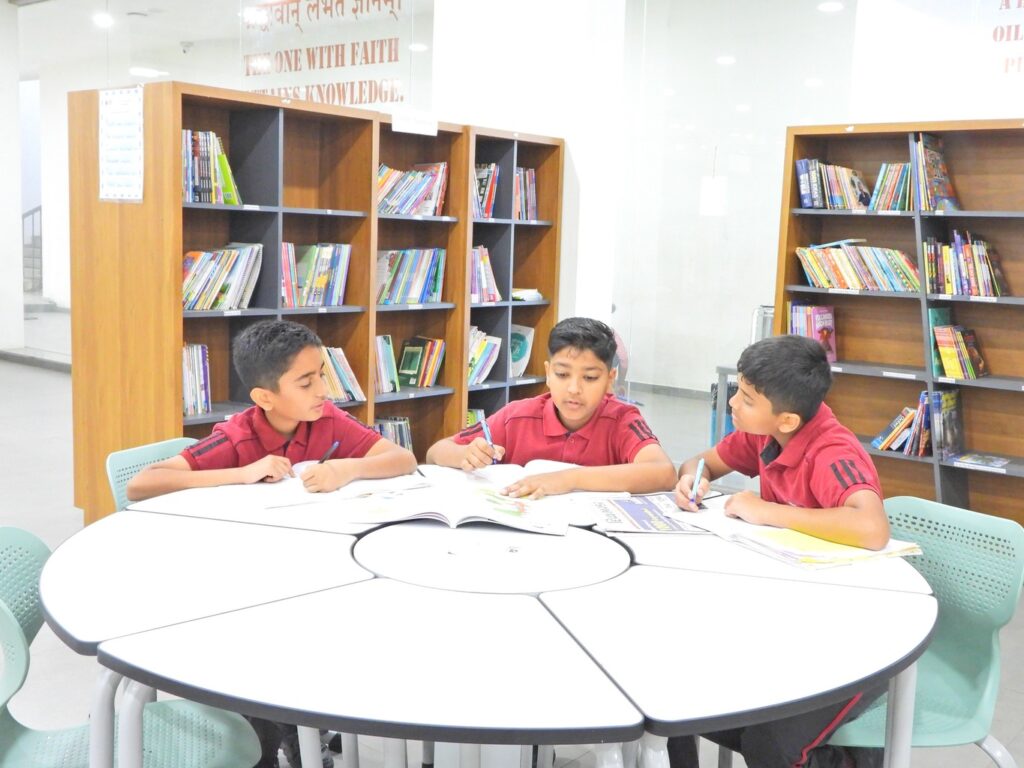
Step: Collect Evidence During Lessons and Collaborative Activities
Assessment should not be a separate event that stops the flow of learning. Instead, gather evidence naturally as students engage in group work, discussions, and hands-on activities.
Step: Hold Short Conferences to Address Learning Gaps
Brief, one-on-one check-ins provide the perfect opportunity to offer targeted support. These conversations help you identify where a student might be struggling before they fall behind.
Balancing Teacher Observation, Peer Feedback, and Student Reflection
A healthy classroom environment relies on a mix of perspectives. Teacher observation provides professional insight, while peer feedback encourages collaboration and critical thinking.
Adding student reflection ensures that learners are actively thinking about their own growth. This balance creates a comprehensive view of performance that goes beyond simple test scores.
Step: Record Progress Without Turning Every Activity Into a Test
You do not need to grade every single task to track development. Use checklists or simple logs to note when a student demonstrates a specific skill during daily work.
This approach keeps the focus on competency-based education rather than just chasing marks. It reduces anxiety and keeps the classroom atmosphere positive and productive.
Step: Review Results and Improve the Next Learning Cycle
After completing a unit, take a moment to look at the data you collected. Ask yourself what worked well and where you can adjust your instruction for the next cycle.
Continuous improvement is the hallmark of effective student-centred learning. By refining your process, you ensure that your classroom remains a place where every student can truly thrive.
Align Assessment With NEP 2020, NCF 2023, and CBSE Education in Ahmedabad
Understanding the connection between national policy and daily classroom life is essential for parents navigating the school landscape. Recent shifts in the Indian educational framework are moving away from traditional testing toward a more dynamic approach.
Connect Competency-Based Education With India’s Changing Assessment Priorities
The implementation of NEP 2020 and NCF 2023 marks a significant turning point for CBSE education in Ahmedabad. These policies emphasize that learning should be measured by what a student can actually do, rather than just what they can memorize.
By focusing on competency-based education, schools are now prioritizing the application of knowledge. This shift ensures that students are prepared for the complexities of the modern world.
Support Experiential, Skill-Based Learning Within the CBSE Curriculum
The CBSE curriculum is increasingly designed to foster experiential learning. This approach encourages students to engage with their environment through hands-on activities and real-world projects.
When schools integrate skill-based learning, they help students bridge the gap between theoretical concepts and practical reality. This is a hallmark of a high-quality CBSE school in Ahmedabad.
Develop Foundational Knowledge Alongside Communication and Problem-Solving
Building a strong academic base remains vital, but it must be paired with 21st-century skills. Students need to master core subjects while simultaneously developing the ability to communicate effectively and solve complex problems.
How Schools Can Translate Policy Goals Into Daily Classroom Practice
Top institutions translate these high-level policy goals into daily routines by focusing on three core areas:
- Active Participation: Moving from passive listening to collaborative inquiry.
- Continuous Feedback: Using formative assessments to guide student growth rather than just assigning grades.
- Application-Based Tasks: Designing assignments that require students to use their knowledge in new contexts.
“Education is not the learning of facts, but the training of the mind to think.”
What Families Should Look for in CBSE Schools in Ahmedabad
When searching for the best CBSE school in Ahmedabad, parents should look for evidence of holistic education in action. It is important to observe how a school balances academic rigor with personal development.
Questions About Modern Teaching Methods, Holistic Education, and Student Growth
To evaluate if a school truly supports these modern standards, consider asking the following questions during your visit:
- How does the school measure student progress beyond traditional exams?
- In what ways are 21st-century skills integrated into the daily lesson plans?
- How does the faculty provide feedback that encourages students to improve their performance?
- Can you provide examples of how students apply their learning to solve real-world problems?
Choosing among the many CBSE schools in Ahmedabad requires a clear understanding of these priorities. By focusing on these indicators, you can find a top CBSE school in Ahmedabad that aligns with your child’s long-term success.
Apply the Approach at Geneva Liberal School Ahmedabad
Geneva Liberal School Ahmedabad stands at the forefront of educational innovation by integrating competency-based models into the classroom. By moving beyond traditional testing, we ensure that every student develops the critical thinking skills necessary for the modern world.
Map CBSE at Geneva Liberal School to Meaningful Competencies
The CBSE at Geneva Liberal School is designed to align academic standards with real-world mastery. We break down complex syllabus requirements into observable skills, allowing students to track their own growth effectively.
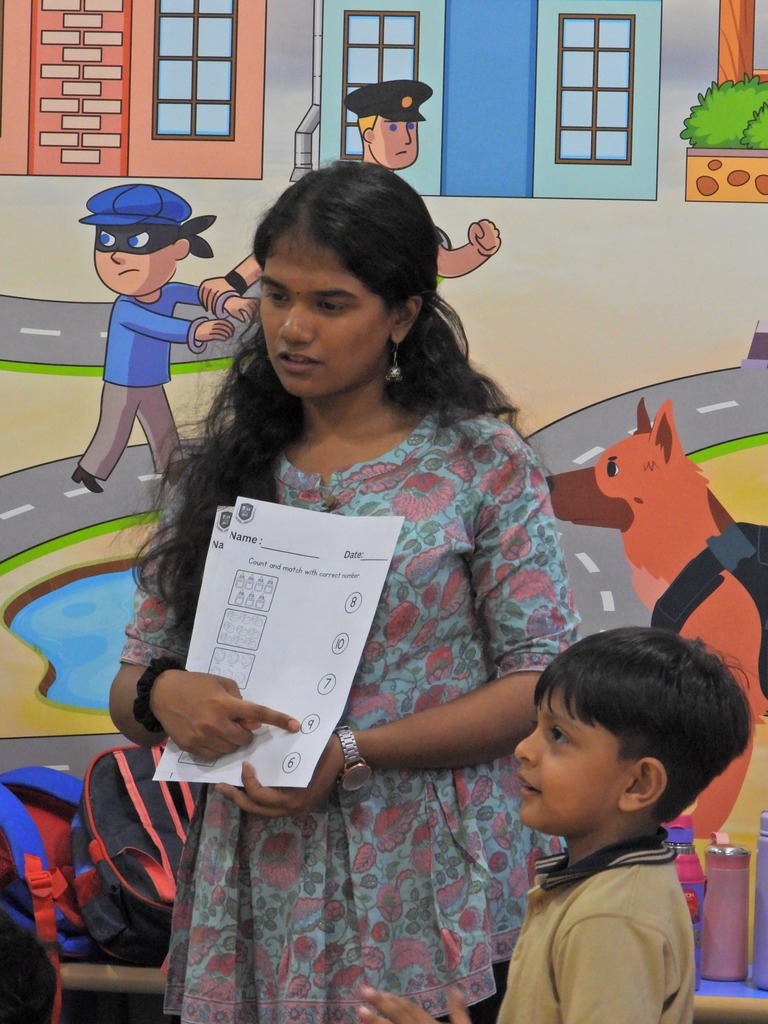
Use the CBSE Curriculum at Geneva Liberal School to Connect Subjects With Life Skills
The CBSE curriculum at Geneva Liberal School serves as a bridge between theoretical knowledge and practical application. We encourage students to see how mathematical concepts or scientific principles apply to daily life challenges.
Build Learning Experiences Around Inquiry, Collaboration, and Reflection
Learning is most effective when it is active and social. Our classrooms foster an environment where students ask deep questions, work in teams, and reflect on their personal learning journeys.
How Teachers Can Combine Classroom Evidence With Project-Based Demonstrations
Teachers at our school use a variety of methods to gauge understanding. By blending daily classroom observations with project-based demonstrations, educators gain a comprehensive view of a student’s capabilities.
Support Families Comparing the Best CBSE School in Ahmedabad
Choosing the right institution is a significant decision for any parent. We provide transparency in our methods to help families make informed choices about their child’s future.
Evaluating the Best CBSE School in Ahmedabad for Holistic Education
When searching for the best CBSE school in Ahmedabad for holistic education, look for institutions that value character development alongside academics. A balanced approach ensures that students grow into well-rounded individuals.
Finding a CBSE School in Ahmedabad Following NEP 2020
A CBSE school in Ahmedabad following NEP 2020 must prioritize experiential learning and flexible assessment. We are committed to these national guidelines to ensure our students remain competitive on a global scale.
Comparing CBSE Schools in Ahmedabad Focusing on Skills and Competencies
When comparing CBSE schools in Ahmedabad focusing on skills and competencies, consider how each school measures progress. The best CBSE school in Ahmedabad will offer clear evidence of student mastery rather than just numerical grades.
Show How Competency-Based Assessment Benefits CBSE Students
Understanding how competency-based assessment benefits CBSE students is key to appreciating our pedagogical shift. This method reduces anxiety and promotes a growth mindset by focusing on continuous improvement.
Potential Indicators of Progress for Students, Teachers, and Parents
- Students: Increased confidence in applying knowledge to new, unfamiliar problems.
- Teachers: More actionable data to tailor instruction to individual learning needs.
- Parents: Clearer insights into specific skill development rather than just abstract scores.
Conclusion
Shifting from rote memorization to a model based on demonstrated understanding changes the entire classroom experience. Competency-Based Assessment provides a clear path for educators to measure what a child truly knows. This approach ensures that learning remains active and meaningful for every student.
We have explored how to define competencies, create authentic tasks, and use rubrics to guide progress. By focusing on evidence-informed reflection, teachers can better support student growth throughout the academic year. This cycle of feedback and reassessment turns every lesson into a chance for genuine improvement.
Families and educators in India now have a roadmap to align classroom practices with the goals of the National Education Policy. Understanding how competency-based assessment benefits cbse students helps schools like Geneva Liberal School Ahmedabad lead the way in holistic development. You can start this journey today by selecting one specific skill to assess in your next unit.
Small changes in how you collect evidence lead to significant gains in student engagement. Embrace this shift to build a classroom where skills matter as much as grades. Your commitment to this process will foster a deeper love for learning in every child.